Newsletter
John’s Journal June 2026 Edition
Dear Friends and Neighbors,
With summer now underway on the Central Coast, school is out, tourists from warmer parts of the state are visiting our temperate climate, and even the legislature will be taking a summer recess in July. I look forward to being back along the coast with all of you.
But before we leave, we have taken action to put a housing bond and rainy day fund reform on the November ballot. I ensured – as a member of the Senate negotiating team on the housing bond – that there is money for higher education housing and infrastructure for disadvantaged communities in the bond.
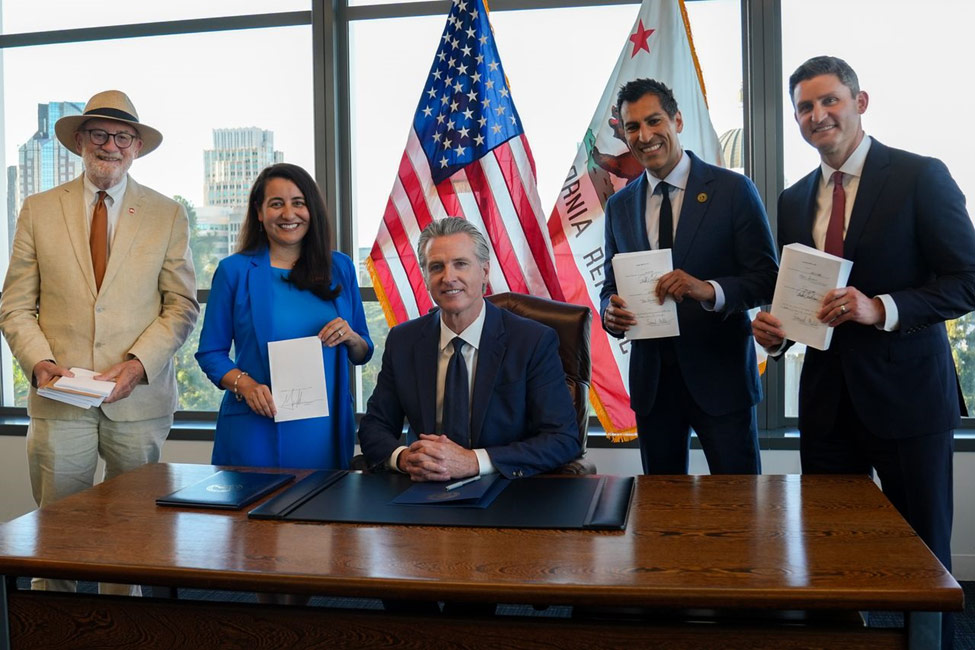
We have also completed one of the most important legislative responsibilities: passing a state budget for the new fiscal year. The budget takes steps to balance the state's finances over the next two years, reduce the structural deficit, maintain strong reserves, and respond to impacts of federal funding reductions.
And all Senate bills should be out of Assembly policy committees by our summer break. I have 18 active bills in the Assembly. Among them are measures to support small wineries and help local communities manage the impacts of the extended operation of the Diablo Canyon Power Plant.
June was also Pride Month, which always gives me an opportunity to reflect on how much has changed during my lifetime. When I first entered public service, there were only a handful of openly gay elected officials in the entire country. Today, LGBTQ+ leaders serve at every level of government, including throughout the Central Coast. That progress was made possible by people who were willing to be visible, participate in public life, and work to expand opportunity for others.
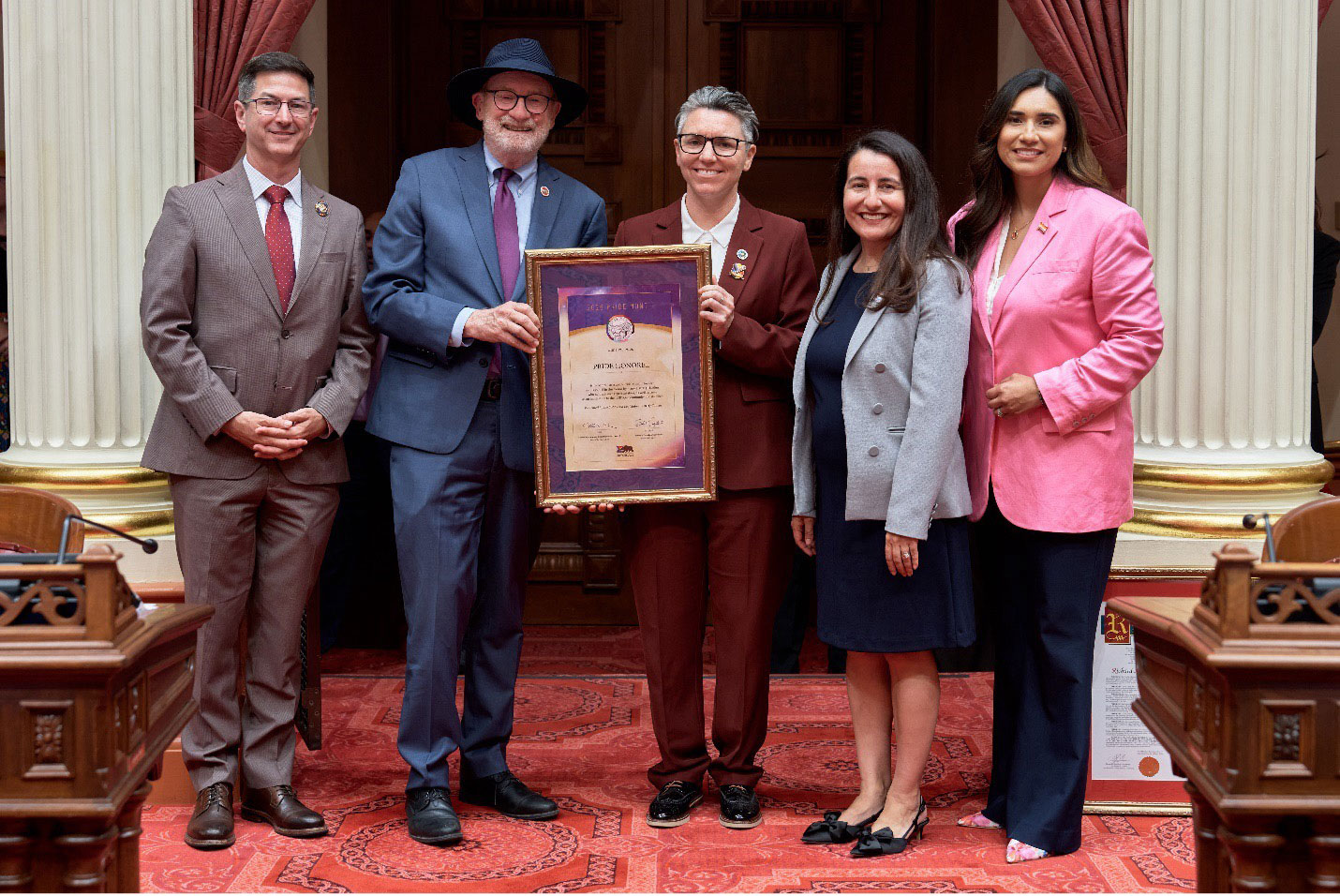
I want to highlight Santa Cruz County Supervisor Monica Martinez, who I had the opportunity to recognize recently as my 2026 Pride Month honoree. As the first openly LGBTQ+ person elected to the Santa Cruz County Board of Supervisors – and the board chair this year – she has helped break barriers while remaining deeply committed to public service. I’m proud to see her recognized for her leadership.
As busy as it was in Sacramento, I’m grateful for the time I spent throughout Senate District 17 meeting with local officials, nonprofit organizations, and business and community leaders. Highlights included visiting the completed Welcome Home Village homeless-serving project in San Luis Obispo, discussing ongoing efforts to address traffic and public safety concerns at Bixby Bridge, and participating in pride celebrations across the district.
As we approach Independence Day and America's 250th anniversary, I am reminded that our democracy depends on the continued engagement of informed and active citizens. I look forward to seeing many of you throughout the district in the weeks ahead. Until then, I wish you and your families a safe and enjoyable Fourth of July!
Sincerely,
JOHN LAIRD
Senator, 17th District
Capitol Update
The Legislature and Governor recently finalized California's state budget for the coming fiscal year. This year's budget balances the state's finances over the next two years, reduces the structural deficit, and maintains nearly $36 billion in reserves to help California prepare for continued economic uncertainty and fiscal challenges at the federal level. Reaching that agreement required difficult choices, but throughout the process the focus remained on protecting the services Californians rely on every day. The final budget delays proposed Medi-Cal reductions, protects In-Home Supportive Services for seniors and people with disabilities, invests in financially distressed and public hospitals, and maintains support for efforts to address homelessness, expand access to affordable child care and universal preschool, and improve air quality in underserved communities. It also continues support for California's journalism fellowship program, helping strengthen local news at a time when many community newsrooms continue to shrink. Budgets are always about choices. I believe this budget makes the right ones by protecting the services people depend on today while making sure California is better prepared for the challenges that lie ahead.
One proposal emerging from this year's budget discussion will ask voters to consider reforms to California's rainy day fund. California's revenues can fluctuate significantly from year to year, making it important to save during periods of strong economic growth. The proposal would increase the state's reserve target, encourage larger savings during good years, and improve how reserve funds are managed. The basic idea is to save more during good times so California is better prepared when economic conditions change.
Voters will also have the opportunity this fall to consider a statewide housing bond designed to support housing production and affordability throughout California. The proposal includes investments in affordable housing, student housing, veterans housing, farmworker housing, and infrastructure improvements that can help communities plan for new housing. In many communities, housing projects can’t move forward without adequate water, sewer, and related infrastructure capacity. There are over 40,000 housing units ready to build, and this bond would provide the last funding for those units to get construction underway. Addressing both housing and infrastructure needs is an important part of expanding housing opportunities and helping communities responsibly plan for future growth.
District Update
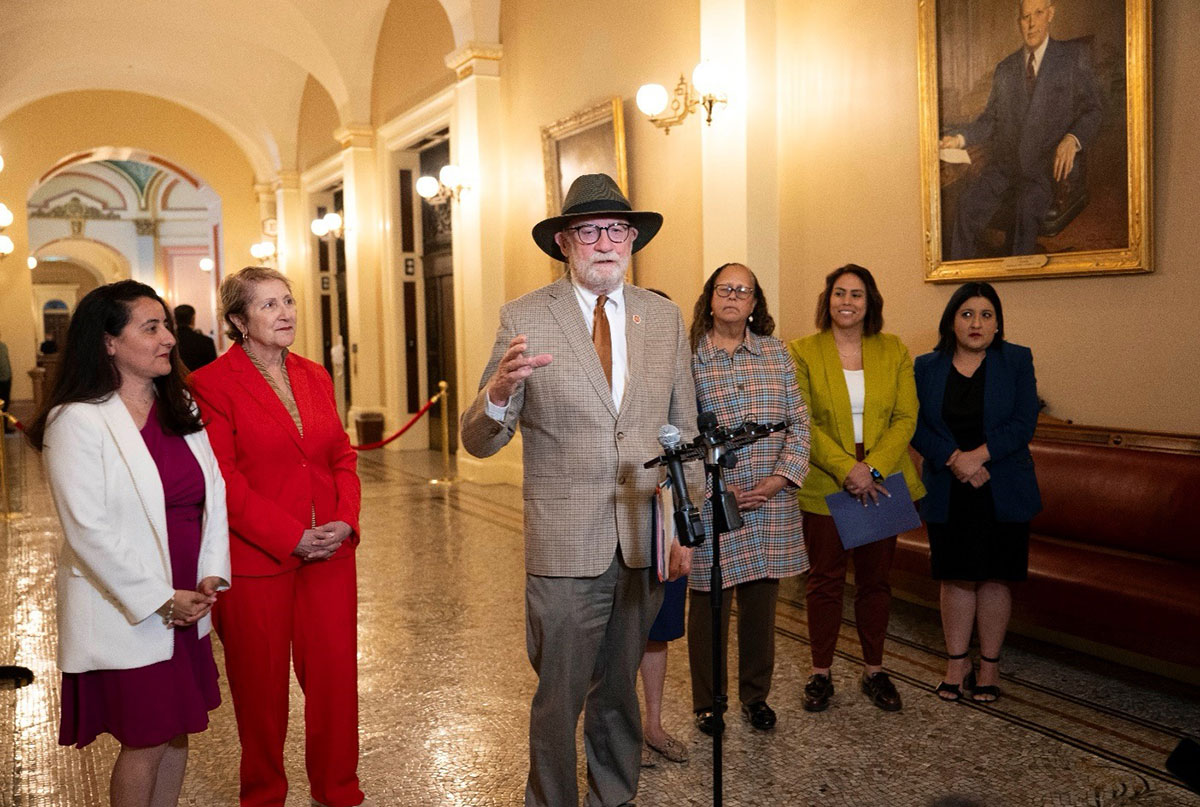
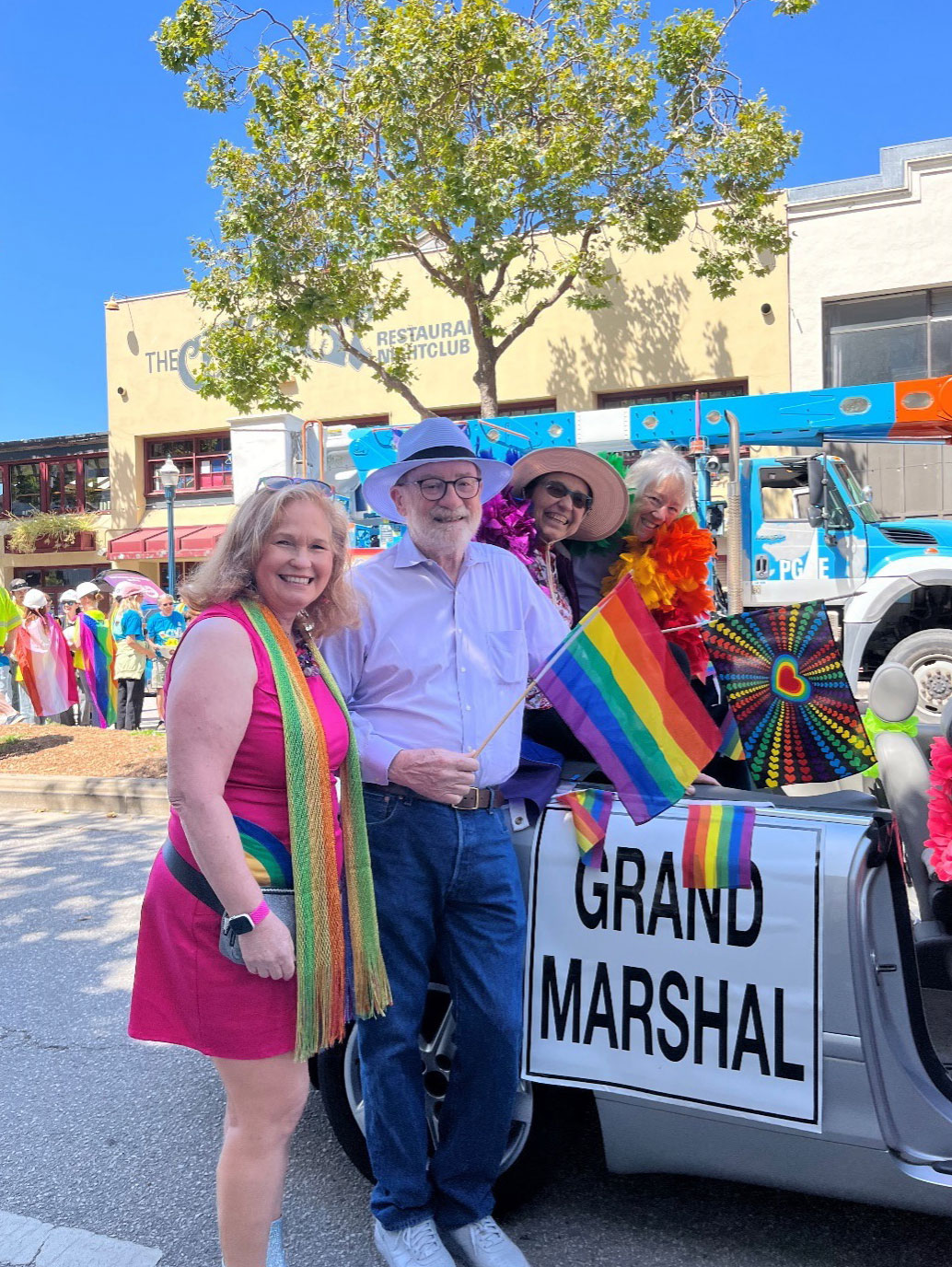
Here in the district, I was pleased to participate in the 51st Annual Santa Cruz Pride Parade and Festival, one of the longest-running pride celebrations in California – and I spoke from the stage for the 46th year in a row. I also had the honor of recognizing Santa Cruz County Supervisor Monica Martinez as my 2026 Pride Month honoree. Monica's service reflects how much progress has been made while reminding us of the importance of continuing to expand opportunity and representation in public life.
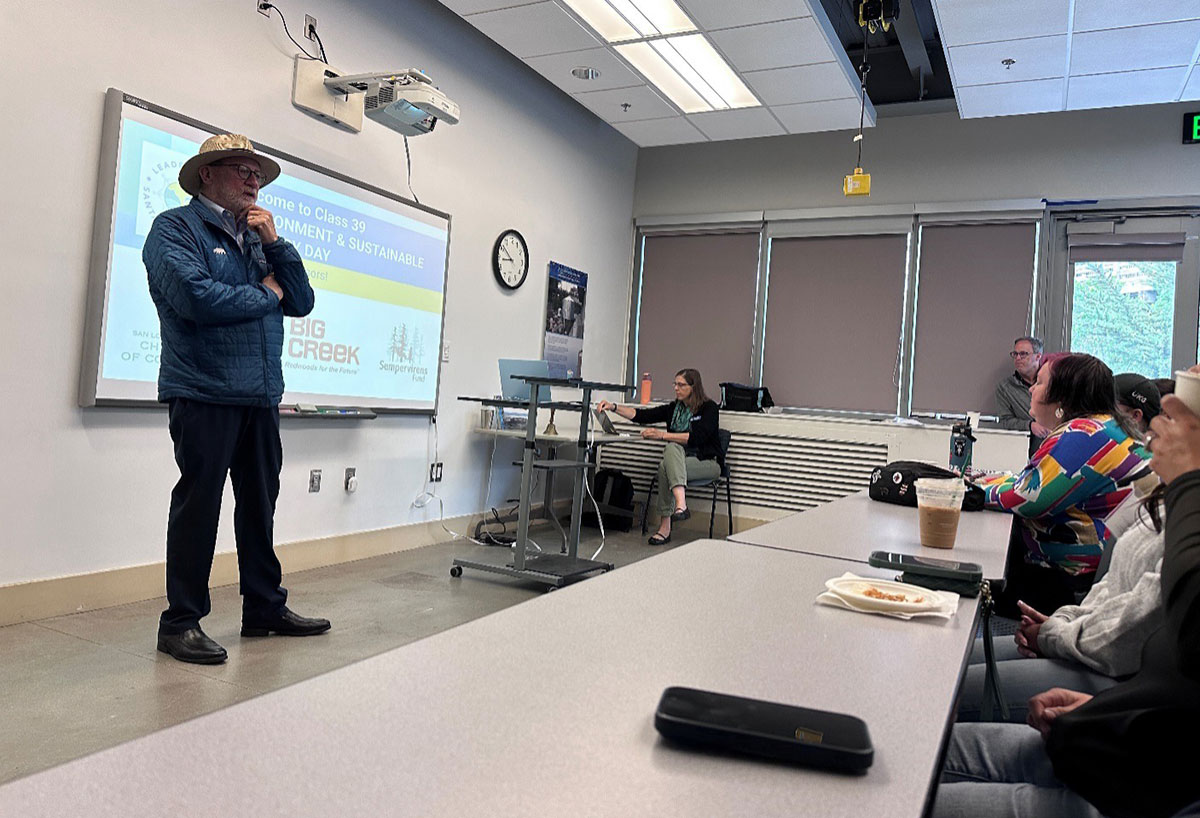
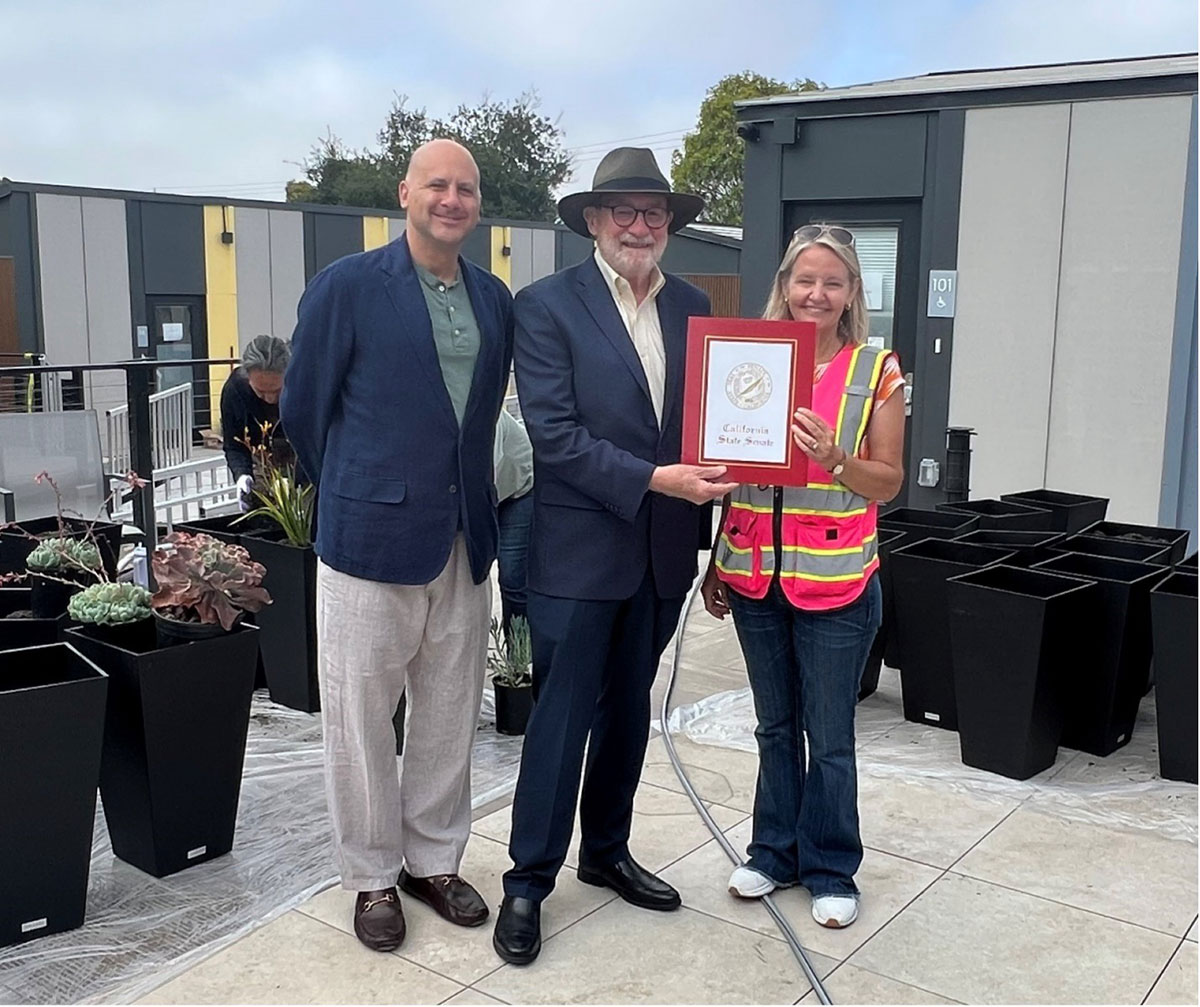
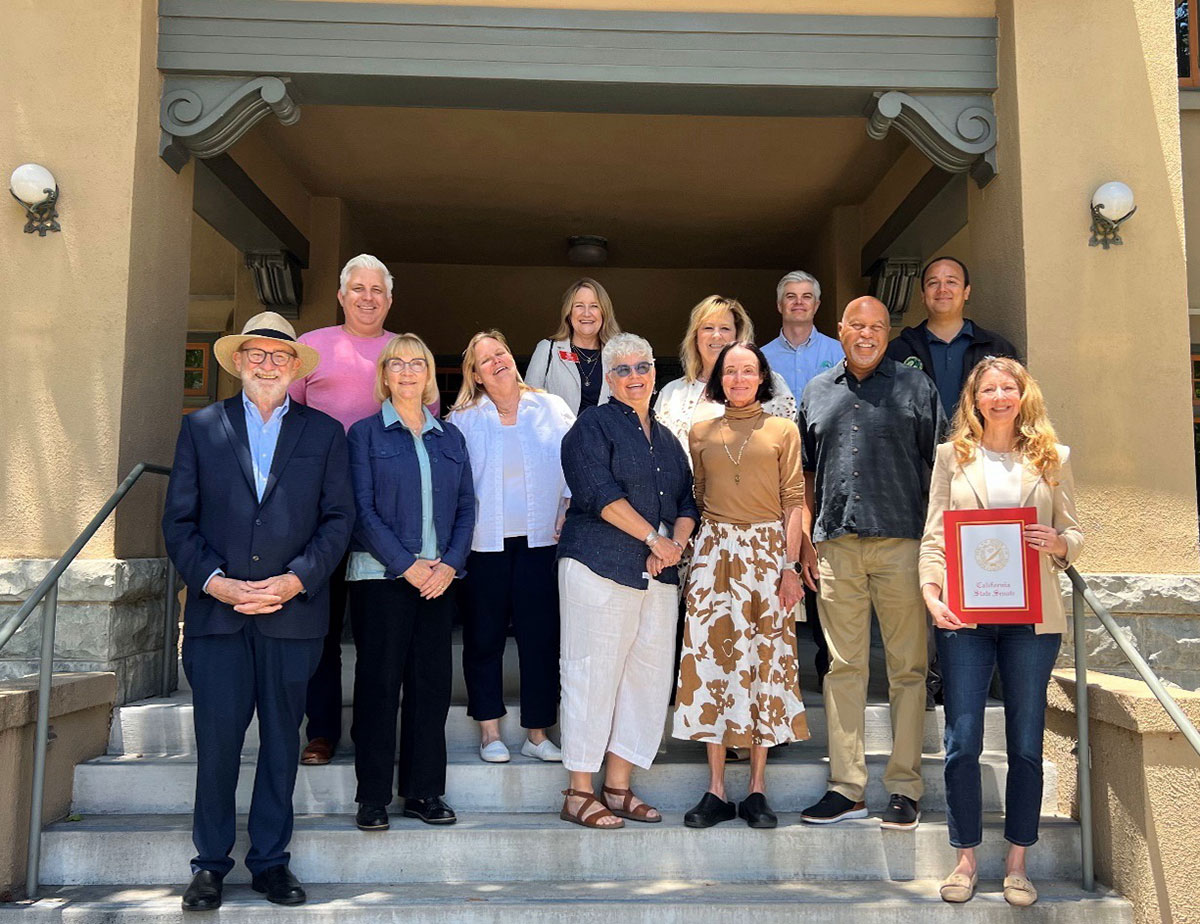
Throughout the month, I also spent time meeting with residents and community leaders across the district, including a few days in San Luis Obispo County where I met with local leaders, nonprofit organizations, business leaders, and community groups to discuss issues ranging from housing and economic development to sustainability and disaster preparedness. One highlight was visiting the completed Welcome Home Village project, which I first toured while it was still being developed. It was gratifying to see the project become reality and begin serving the community. Seeing that progress was a reminder that addressing homelessness requires persistence, partnership, and sustained investment in solutions.
Closer to home, the ongoing traffic and public safety challenges at Bixby Bridge and Point Lobos remain a significant concern for the Big Sur community and the Monterey Peninsula. Over the past several months, I have been meeting with local residents, business leaders, Monterey County officials, transportation agencies, law enforcement, and others to explore potential solutions. A temporary parking moratorium recently adopted by Monterey County will provide an opportunity to evaluate next steps while longer-term strategies are considered. Finding a path forward will require balancing public safety, public access to the coast, and the concerns of residents, businesses, and visitors who all care deeply about the future of Big Sur. I will continue working with partners at every level as those discussions move forward.

From My Desk
- My op-ed on the growing impacts of ocean acidification and the steps California is taking to protect marine ecosystems, strengthen climate resilience, and support the long-term health of our ocean published in The Sacramento Bee
- My editorial on the financial challenges facing Watsonville Community Hospital, the state's efforts to help stabilize distressed hospitals, and the continuing work needed to protect access to health care for Pajaro Valley residents published in Lookout Santa Cruz